
Southern winters can be mild one day and bitterly cold, wet, windy and dangerous the next. These conditions can stress your home, enhancing problems like drafts, moisture damage, structural issues and energy waste. This could all prove very uncomfortable and costly.
To avoid discomfort and higher utility bills later, take time while the weather is nice to get your home winter-ready. Our home winterizing checklist provides essential steps to protect your space, improve energy efficiency and increase comfort for the chilly season (and all year). Check it out.
Why Winter Prep is Crucial, Even in Mild Climates
Sure, harsh winters may be rarer in milder climates, but when Old Man Winter drops by, he can cause a lot of damage quickly. For instance:
- Unexpected freezes can be disastrous for unprepared pipes, irrigation systems and outdoor plants. They can also harm a home’s foundation, structure or interior if the space isn’t adequately insulated.
- If your home’s siding or insulation is damaged, or your windows are drafty, this can strain your HVAC system, leading to breakdowns or increased utility bills.
- Heavier winter precipitation (even rain) can cause leaks, leading to expensive water damage and mold.
And this is only a sampling of why winter prep for your home is important. A little investment now can save you costly, inconvenient issues later.
The Warmer Climate Winter Maintenance Checklist
If you’re ready to winterize your home but don’t know where to start, it might be easier than you think. Focus on keeping cold and moisture out to keep everything inside safe and dry.
1. Inspect Windows and Doors
Winter can often sneak in through older entry points in your home—making upgrades to your doors and windows an important step toward keeping your home comfortable.
- Check for drafts: Feel around the edges of windows and doors, between the panel and the frame, for breezes or cool air. If you sense a sudden temperature change, there’s likely a draft. Sometimes, you can even feel drafts from several feet away, so check for cold spots in different rooms.
- Examine the seals and weatherstripping: Your window or door seals are your main defense against winter drafts and moisture. Check for brittle, cracked or peeling seals. Even small cracks could cause energy loss. Many use the “dollar bill” or “paper” test to check the seals. To do the test, close your window or door, but leave a piece of paper between the frame and the seal. If you can pull the paper out easily, your seals are too weak.
- Clean the tracks: Dirty window and door tracks can prevent proper closing or sealing. Clean your tracks seasonally with soap and warm water. Also, clean your frames and window glass.
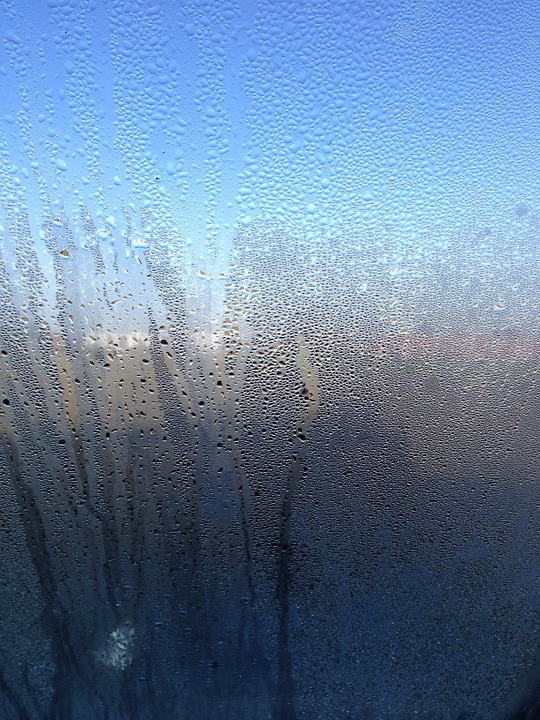
- Check for moisture intrusion: Condensation on the interior or between glass window panes may signal improper seals. Puddles or wet spots around windows and doors are additional signs.
If you find significant damage or moisture when winterizing your windows and doors, consider replacing them. Modern, energy-efficient windows and doors offer durability against winter conditions and keep your home comfortable year-round.
2. Clear Gutters and Downspouts
Clogged or damaged gutters can’t collect and direct precipitation away from your home, posing risks.
- Clogged gutters carry extra weight. They could collapse or warp, damaging your siding, insulation and other parts of your structure.
- Ice or snow on damaged gutters could lead to collapse.
- When gutters can’t direct rainwater, sleet or snowmelt away from your home, water might accumulate around your foundations or seep into the home.
Regularly cleaning your gutters and downspouts—especially after autumn leaves accumulate—minimizes the chances of water damage and structural problems in winter.
3. Protect Outdoor Plumbing
Another way to prevent household water damage in winter is to protect your plumbing, both indoors and out.
- Disconnect and drain garden hoses to prevent excess moisture buildup and freezing.
- If you have a pool, follow the manufacturer’s winter preparation guidelines.
- Wrap exposed pipes and spigots.
- If you have an irrigation system, follow the manufacturer’s winter preparation guidelines. This will often involve draining the system.
Extreme cold snaps may require further interior plumbing precautions. To prevent pipes from freezing, keep your interior temperature at or above 65°F. Keep a small stream of water flowing through each interior water line, especially those that run through exterior walls. Open cabinets or other spaces to allow heat to flow around exposed pipes.
4. Care for Your Lawn and Garden
If you have sensitive plants that the cold might kill, add lawn prep to your home winterizing plans.
- Once temperatures consistently fall below 55°F, move potted plants and tropicals inside.
- When extreme cold arrives, cover sensitive rooted plants (e.g., rose bushes, newly planted trees) with blankets or tarps.
- Add mulch around garden beds, flowerbeds, bushes and young trees to protect the roots.
- Trim branches to prevent them from falling on your house during wind or winter weather.
5. Service Your HVAC Unit
Energy use often increases in winter, even in warmer climates. So, ensure your HVAC system is in prime condition. A malfunctioning HVAC system could waste energy and fail to maintain a comfortable temperature. Schedule any HVAC maintenance and repairs in the fall.
One simple way to preserve and optimize HVAC functions is to replace your air filters regularly. Clean filters provide optimal airflow and trap impurities that may impact performance. Replacing your filter is often a straightforward DIY task, but be sure to buy the correct size and specs for your unit.
Make Window World Part of Your Winter Prep
Warmer climates may not see frequent blizzards, but winter conditions can still occur. The right preparations can keep your space safe, snug and dry, regardless of the weather outside.
If drafty windows and doors are making your home uncomfortable and increasing your energy bills, Window World has the solution. Contact us for a free consultation on energy-efficient replacement products that can maintain your space’s comfort throughout the year.